


May 23, 2026
Rhinoplasty (Nose Job) Guide 2026: Surgery, Recovery and Prices | Malatya
What is rhinoplasty, how is it done and how long does recovery take? Everything about nose aesthetic surgery in Malatya with Op. Dr. Abdullah Ünlü.…
Read more
Op. Dr. Abdullah Ünlü
Specialist in Plastic, Reconstructive and Aesthetic Surgery · Malatya

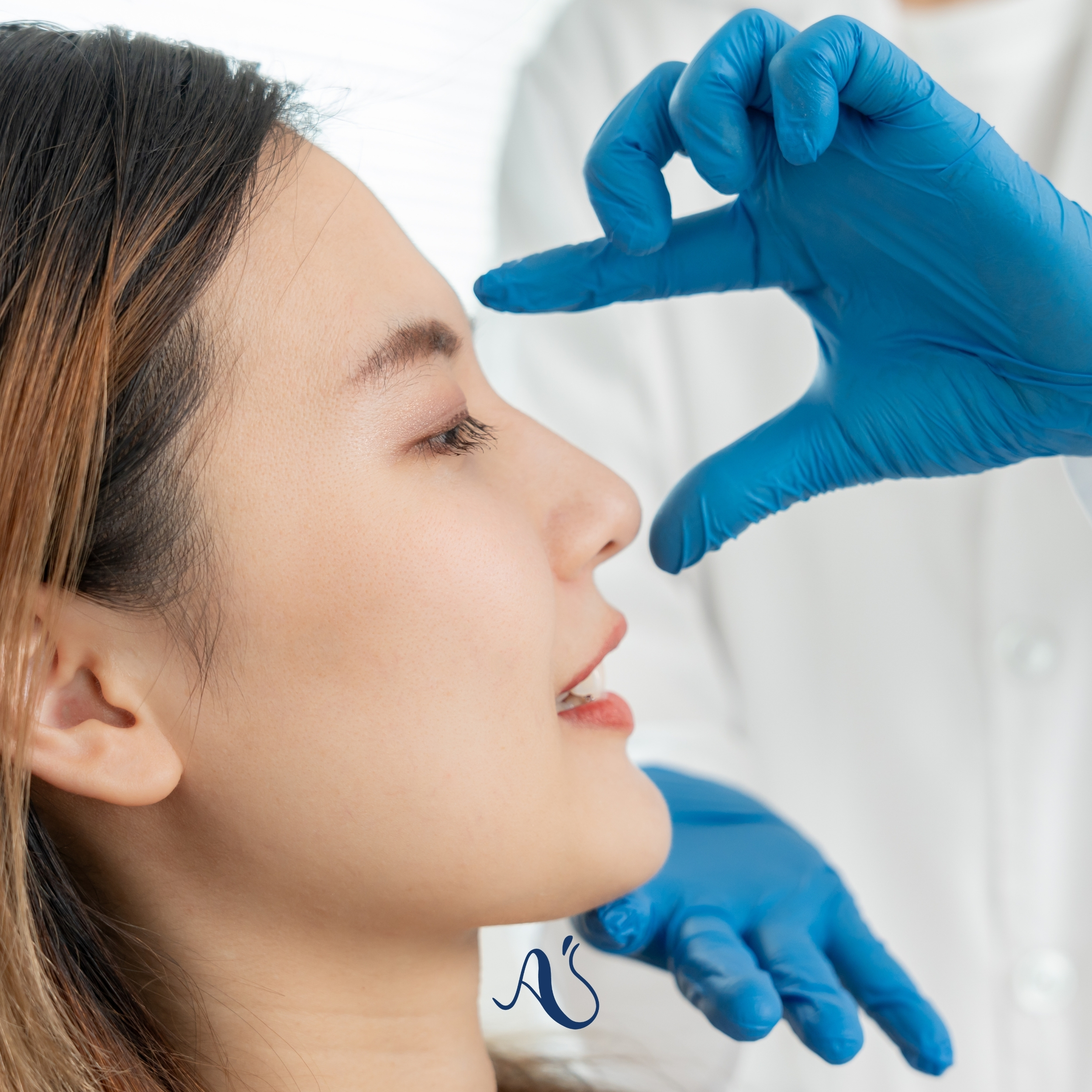
Rhinoplasty, commonly known as a nose job, is a surgical procedure performed to improve the shape, size and function of the nose. The procedure can be carried out by reshaping the bone and cartilage structure of the nose. Rhinoplasty may be chosen for aesthetic concerns as well as functional reasons such as congenital anomalies, trauma or breathing problems.
Open Rhinoplasty: In this technique, a small incision is made in the area between the nostrils called the columella. The surgeon lifts the nasal skin to gain direct access to the bone and cartilage structure. Open rhinoplasty is ideal for correcting more complex nasal deformities because it widens the surgeon's field of view and makes detailed work possible.
Closed Rhinoplasty: In this method, all incisions are made inside the nostrils and no incision scar is visible from the outside. Closed rhinoplasty is a less invasive method and the recovery time is generally shorter. It is preferred for correcting simple shape irregularities.
Rhinoplasty can be chosen for both aesthetic and functional reasons. Suitable candidates are generally:
Rhinoplasty is a surgical procedure that is usually performed under general anesthesia and can take 1 to 3 hours. The duration and technique may vary depending on the patient's wishes, the existing deformities of the nose and the surgeon's preference.
Preparation: After anesthesia is administered, the surgeon makes the incisions needed to access the nasal structure. These incisions vary depending on whether the open or closed rhinoplasty technique is used.
Shaping the Bone and Cartilage: The surgeon shapes the nasal bones and cartilage tissue. If the nose is to be made smaller, bone and cartilage tissue may be removed. While certain parts of the nose are reshaped, cartilage grafts may be used to provide support.
Septoplasty (If Needed): If the patient has a deviated septum or another breathing problem, the septum is corrected at this stage and the nasal airways are opened.
Closure: After shaping is complete, the nasal skin is placed back in position and the incisions are closed. If open rhinoplasty was performed, the incision in the columella is sutured. The inside and outside of the nose are secured with stitches.
Bandage and Splint: At the end of the procedure, a splint is placed on the outside of the nose to protect its new shape. This splint helps preserve the shape of the nose during recovery.
The recovery period after rhinoplasty requires care. Here is what patients can expect after the procedure:
First Week: There may be swelling, bruising and mild pain in the nose after surgery. In the first week, it is very important to keep the splint or bandages on the nose in place. Patients usually rest at home during this period and avoid strenuous physical activity.
First Month: Most of the swelling subsides within 2-3 weeks, but full recovery can take several months. During the first month, care should be taken to avoid blows to the nose and to protect the nasal structure.
6 Months – 1 Year: The full results of rhinoplasty can take 6 months to 1 year to appear. During this time, the shape of the nose becomes more defined and the results settle permanently.
Like every surgical procedure, rhinoplasty involves certain risks and complications. These may include infection, bleeding, scarring, anesthesia-related complications and dissatisfaction. In rare cases, a secondary corrective operation may be needed.
Before: Before surgery, it is important to stop smoking, have the tests recommended by the doctor and avoid blood-thinning medications. You should also discuss your expectations and the surgical process in detail with your doctor.
After: Following the care instructions given by the doctor after rhinoplasty, protecting the nose from blows and not neglecting regular check-ups ensure a smooth recovery.
Rhinoplasty is an ideal surgical option for people who want to improve the aesthetic and functional structure of the nose. To learn more about rhinoplasty and find out whether you are a suitable candidate, you can contact our specialist surgeons.
Contact us for an initial consultation; we will answer your questions and plan the right approach together.
Explore our other plastic, reconstructive and aesthetic surgery procedures.
Read our guides on this topic to learn more.
May 23, 2026
What is rhinoplasty, how is it done and how long does recovery take? Everything about nose aesthetic surgery in Malatya with Op. Dr. Abdullah Ünlü.…
Read moreFebruary 23, 2026
Today, many people who care about their appearance and want to renew their self-confidence need the expert touch that medicine offers. Thanks to…
Read more