In this article
- What Is Botox and How Does It Work?
- Which Areas Is Botox Applied to in Malatya?
- Who Is Botox Suitable For?
- Botox or Filler?
- How Is Botox Performed?
- When Does Botox Start to Work and How Long Does It Last?
- What Should You Pay Attention to After Botox?
- Risks and Side Effects
- What Do Botox Prices in Malatya Depend On?
- Why Op. Dr. Abdullah Ünlü for Botox in Malatya?
- Frequently Asked Questions
In plastic surgery consultations in Malatya, Botox is one of the non-surgical treatments people ask about most. In this guide we explain Botox in Malatya in plain language: what Botox is, which areas it is applied to, when the effect starts and how long it lasts, how it differs from fillers, possible side effects and the factors that affect the price. Botox is one of the non-surgical facial aesthetic treatments offered by Op. Dr. Abdullah Ünlü at the clinic.
In short: Botox is a medical treatment in which very small doses of a medicine containing botulinum toxin type A are injected into a muscle to temporarily relax it. It is used to soften expression lines on the forehead, between the eyebrows and around the eyes, and also for teeth grinding and excessive sweating. The procedure is short, the effect is not permanent and fades within a few months. The first step is always a medical examination and a personalised plan.
What Is Botox and How Does It Work?
Botox is the everyday name for medicines whose active ingredient is botulinum toxin type A. At the point where it is applied, this substance temporarily reduces the signal between nerve and muscle; the muscle contracts less and the lines that form in the skin above it soften. The effect is limited to the injected muscles and is not permanent: nerve–muscle transmission returns on its own over time.
Botox is not a "filling" treatment; it does not add volume to the skin. Its target is the dynamic lines that become visible with repeated expressions such as frowning, raising the eyebrows and smiling. For this reason, the aim of a well-planned treatment is not to freeze the face but to rest the expression while keeping natural movement. For the general outline of the service, you can also visit our Botox in Malatya service page.
Which Areas Is Botox Applied to in Malatya?
Treatment areas are decided at the examination according to the person's expression habits and concerns. The most commonly assessed areas are:
Forehead Lines
These are the horizontal lines that appear when raising the eyebrows. Because the forehead muscle is also the muscle that holds the eyebrows up, the dose and injection points are chosen carefully; the aim is to soften the lines while preserving eyebrow position.
Between the Eyebrows (Glabella)
The vertical lines formed by frowning can give the face a tired or stern look. The area between the eyebrows is one of the most frequently treated with Botox.
Around the Eyes (Crow's Feet)
These are the fine lines that appear at the corners of the eyes when smiling or squinting. A treatment at the appropriate dose aims to reduce their visibility without spoiling a natural smile.
Jaw Muscle (Masseter) Botox
It can be applied to the chewing muscle in people who clench or grind their teeth (bruxism). It helps reduce the overactivity of the muscle; in some people it may also contribute to a slimmer-looking lower face. The underlying causes of teeth grinding should be assessed separately.
Botox for Sweating (Hyperhidrosis)
In excessive sweating of areas such as the underarms and palms, it is used to temporarily reduce the nerve signal reaching the sweat glands. It is one of the options that can be considered when sweating affects daily life.
Neck and Other Areas
Botox may also be considered for neck bands, fine lines above the upper lip and a dimpled appearance of the chin. Suitability in these areas varies from person to person and is decided at the examination.
Who Is Botox Suitable For?
Botox is applied to both women and men. In general it can be considered in the following situations:
- Visible expression lines: Adults with lines on the forehead, between the eyebrows and around the eyes that deepen with expression.
- A tired or stern look: Especially those who feel they look more tense than they are because of frown lines.
- Teeth grinding (bruxism): Those with complaints related to an overactive jaw muscle.
- Excessive sweating: Those with localised sweating that affects daily life.
- Realistic expectations: People who know that Botox is temporary and targets specific concerns.
Who Should Not Have Botox?
- Those who are pregnant or breastfeeding
- Those with certain neurological conditions that affect nerve–muscle transmission (for example myasthenia gravis)
- Those with an active infection or skin disease in the treatment area
- Those with a known allergy to the product's ingredients
Be sure to mention your regular medications, blood thinners and chronic conditions at the examination; the doctor decides whether the treatment is suitable for you.
Botox or Filler?
These are the two treatments most often confused at consultations. The short answer: Botox relaxes the muscle, while filler adds volume.
- Botox: Targets dynamic lines formed by expression (forehead, between the eyebrows, crow's feet).
- Filler: Targets hollows caused by volume loss and deep folds that are visible even when the face is at rest.
- Skin quality: For concerns such as thinning, dullness and loss of moisture, different treatments such as the youth vaccine may be considered.
- Marked sagging: If there is marked sagging of the skin and lower face, Botox alone is not enough; surgical options such as a face lift are assessed.
Which treatment to use, in which area and in what order is decided after a facial analysis.
How Is Botox Performed?
- Examination and facial analysis: Your concern is listened to, your expressions are assessed in motion and your medical history is taken.
- Planning: The areas to be treated, the injection points and the dose are determined individually.
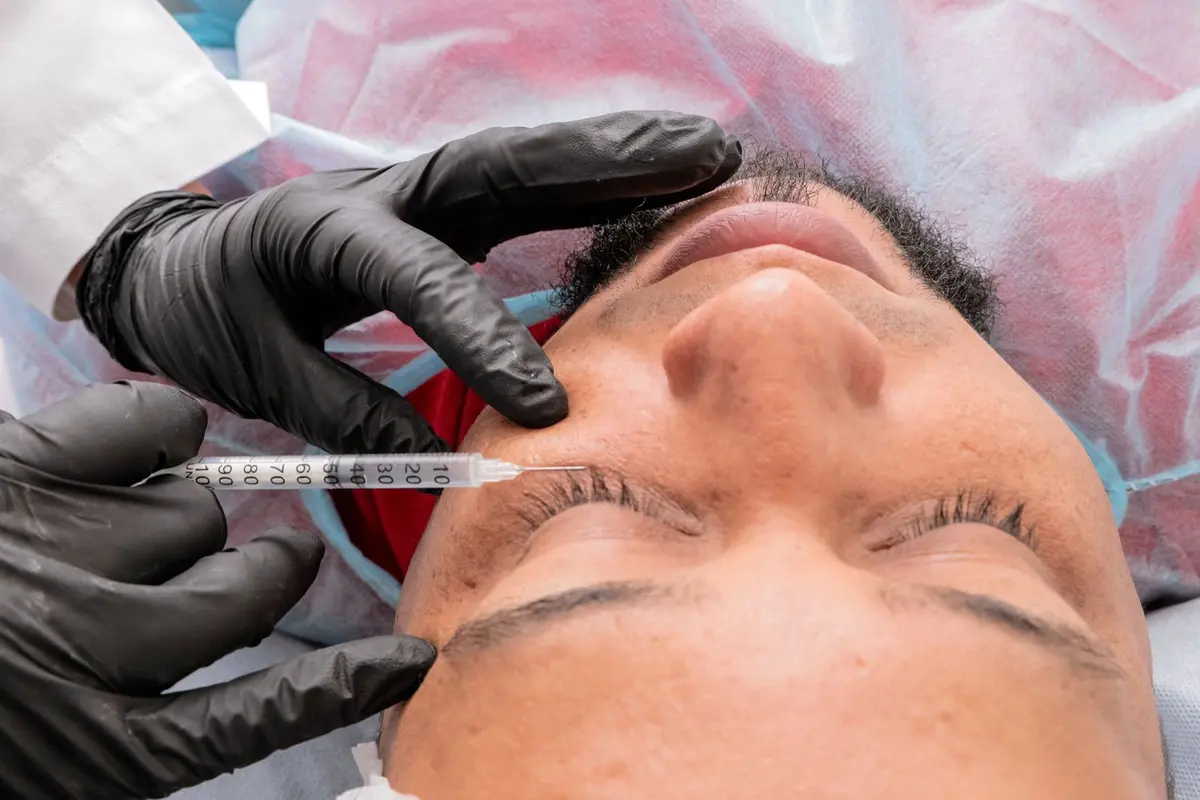
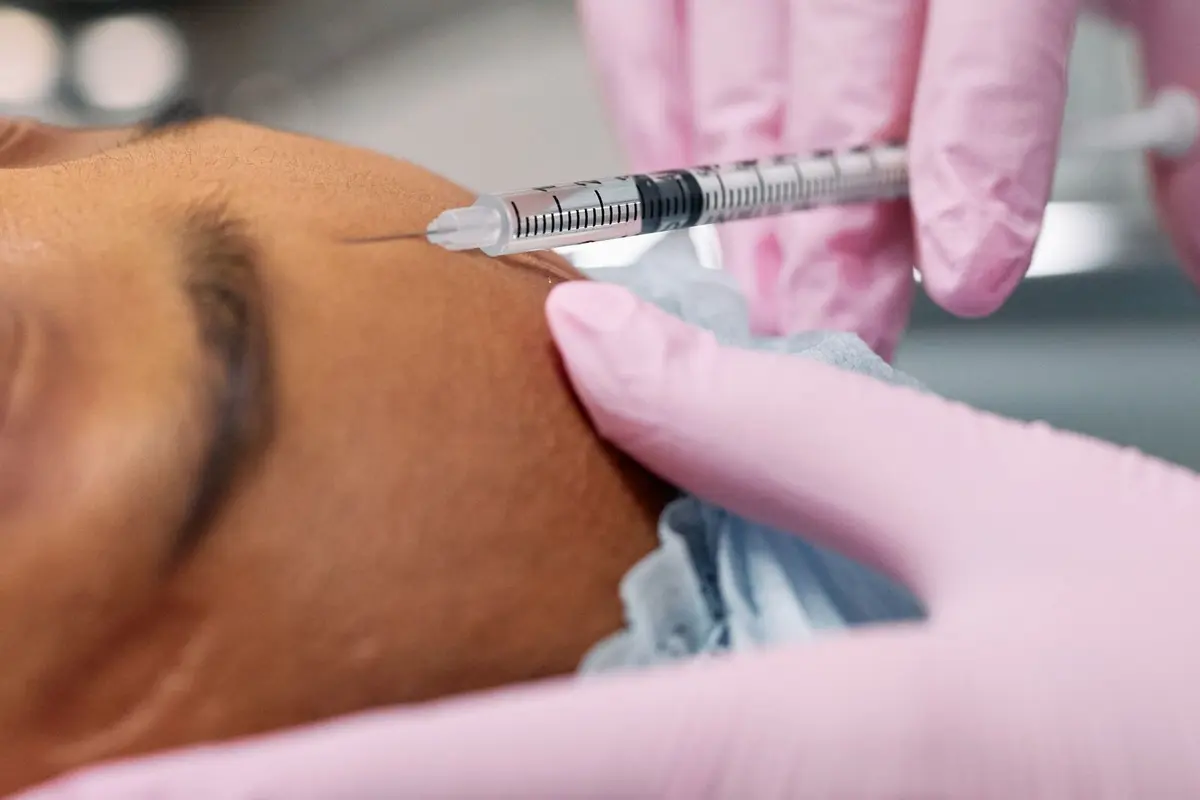
- Treatment: The skin is cleansed and the medicine is injected into the relevant muscles with very fine needles. The procedure is carried out in a clinical setting and usually takes 10–15 minutes.
- After the procedure: Most people return to daily life the same day. Brief redness or small bumps may be seen at the injection points.
- Follow-up: Once the effect has settled, a follow-up examination is planned if needed.
Botox is a medical procedure; it should be performed by a doctor with a thorough knowledge of facial anatomy, in clinical conditions and with original, registered products.
When Does Botox Start to Work and How Long Does It Last?
The effect is not immediate. It usually begins within a few days (mostly 3–7 days) and settles fully in about two weeks. How long it lasts depends on the person, the treated area, the strength of the muscle and the dose; in most people the effect lasts a few months and usually fades gradually within 4–6 months. When the effect wears off, expressions return to how they were; the treatment can be repeated at intervals the doctor considers appropriate.
What Should You Pay Attention to After Botox?
- Not lying down and not keeping the head bent forward for long during the first few hours (about 4 hours)
- Not rubbing or massaging the treated area; postponing facials and massage for about 48 hours
- Avoiding strenuous exercise for the first 24 hours
- Staying away from very hot environments such as saunas and Turkish baths in the first days
- Not missing the follow-up appointment recommended by the doctor
Instructions specific to you are explained separately after the treatment; where they differ, what your doctor tells you takes priority.
Risks and Side Effects
When applied to the right person with the right technique, Botox is a procedure whose side effects are mostly mild and temporary; however, like any medical treatment, it is not risk-free. Redness, slight swelling or bruising at the injection site and a temporary headache may occur. Less commonly, temporary drooping of the eyebrow or eyelid, asymmetry, or an effect that is weaker or stronger than expected may appear; these improve as the effect of the medicine wears off. If an unexpected symptom occurs, such as difficulty swallowing, speaking or breathing, or widespread muscle weakness, medical help should be sought without delay. The risks specific to you should be discussed with your doctor before the treatment.
What Do Botox Prices in Malatya Depend On?
It is not possible to give a single figure for Botox prices in Malatya that suits everyone, because several factors affect the price:
- The number of areas to be treated (only between the eyebrows, or the whole upper face?)
- The amount of medicine to be used; the dose required by muscle strength and structure
- The purpose of the treatment: expression lines, jaw muscle (masseter) or sweating Botox
- The product used
- The follow-up and, if needed, touch-up plan
Clear information can be given after examination and planning. If you wish, you can create an appointment request and discuss the price as well.
Why Op. Dr. Abdullah Ünlü for Botox in Malatya?
Op. Dr. Abdullah Ünlü graduated from İnönü University Faculty of Medicine in 2015 and completed his specialty training at the Department of Plastic, Reconstructive and Aesthetic Surgery of Selçuk University. The clinic is in Yeşilyurt, Malatya; at the first consultation your concern is listened to, your expressions are assessed and a plan that suits you is decided together. For details, see the About page. The aim is not an exaggerated, frozen look but, in line with our approach to plastic surgery in Malatya, a natural result in harmony with your facial features.
To see the full range of facial rejuvenation options, you can read our face lift guide and our Malatya aesthetic and plastic surgery guide; for unwanted hair, visit our ice laser hair removal page.
Frequently Asked Questions
Where can I get Botox in Malatya?
In Malatya, the examination and planning for Botox take place at the clinic of Op. Dr. Abdullah Ünlü in Yeşilyurt, Malatya (Tecde Mah. Kozluk Sk. Altun Yapı No:2/1). You can create an appointment request through the appointment form on the website or reach us by phone.
When does Botox start to work and how long does it last?
The effect usually begins within a few days (mostly 3–7 days) and settles fully in about two weeks. How long it lasts depends on the person, the area, muscle strength and the dose; in most people the effect lasts a few months and usually fades gradually within 4–6 months.
Does Botox freeze the face or remove expressions?
With Botox planned at the right dose and the right points, the aim is not to eliminate expressions but to soften lines. A frozen look is mostly associated with a higher dose than needed or unsuitable injection points. Sharing your expectations openly at the examination helps create a natural-looking plan.
What is the difference between Botox and filler?
Botox temporarily relaxes the muscle and softens dynamic lines formed by expression; filler adds volume to areas with volume loss. Botox is mostly considered for forehead, frown and crow's feet lines, and filler for hollows and deep folds caused by volume loss. The right choice is made after a facial analysis.
At what age can Botox be done?
Botox is applied to adults; what matters is not age itself but the condition of the expression lines and the person's concern. Suitability is assessed by a medical examination when lines begin to become visible. Botox is not applied during pregnancy or breastfeeding.
Does masseter (jaw) Botox help with teeth grinding?
Botox applied to the jaw muscle can help relieve complaints related to teeth clenching and grinding by temporarily reducing the overactivity of the muscle. The effect is temporary and the underlying causes of teeth grinding need to be assessed separately; suitability is determined at the examination.
What do Botox prices in Malatya depend on in 2026?
The price depends on the number of areas to be treated, the amount of medicine used, the purpose of the treatment (expression lines, masseter or sweating Botox), the product used and the follow-up plan. Clear information can only be given after examination and planning.
Book an appointment: For examination and planning for Botox in Malatya, you can create an online appointment request or reach us through our contact page. Address: Tecde Mah. Kozluk Sk. Altun Yapı No:2/1 Yeşilyurt/Malatya.
This article has been prepared for general information purposes; it does not replace examination, diagnosis or treatment. Every person's situation is different; the appropriate method and the expected result can only be determined after an examination, and no result can be guaranteed.
Author
Op. Dr. Abdullah Ünlü
Specialist in Plastic, Reconstructive and Aesthetic Surgery · Malatya. About